

Rope & Surrender
Surrender is a choice you make with your eyes open, and what happens after the rope falls away matters as much as what happened in it.
by CraigJustCraig
First, a word of clarity. I'm not a therapist, and this is not a treatment plan. If the days after a scene turn dark in a way that won't lift, if you can't eat, can't sleep, can't see a reason to keep going, that's not drop. That's a crisis, and it needs a professional. Call someone. We'll come back to that.
Now, let's talk about it.
The companion to this guide, Rope and Anatomy, covers the body under rope. The nerves, the blood, the bone, the breath. This one covers what happens when the rope comes off. The hours after. The days after. The part nobody photographs.
Most of what gets taught about rope ends at the untie. We learn how to get someone into the shape and how to get them out of it. Then the scene is "over" and everyone goes home. That's where the real work starts. The body keeps processing long after the last wrap hits the floor, and what you do in that window decides whether someone walks away grounded or wrecked.
This is a guide to surrender and to the after of it. I'll show you what you're actually choosing when you give yourself over, and how to come back whole.

Surrender Is a Choice You Make Standing Up
People hear "surrender" and they hear defeat. A white flag. The moment you ran out of fight.
That's not what happens on the altar. Surrender here is an action. It's a thing you do on purpose, with your eyes open, knowing exactly what you're handing over and to whom. You don't fall into it. You choose it.
To submit is not to weaken; it is to choose surrender, knowing you are still sovereign.
The Philosophy Behind the Rope, by CraigJustCraig
Read that line twice. Sovereign. You don't stop being the author of yourself when you submit. You author the submission. Surrender is claimed through preparation and awareness. It's a difficult decision, trained, practiced, and chosen. The strength is in the choosing.
This is the paradox the whole practice turns on. You inhabit the AND. Pain and pleasure. Surrender and control. Resistance and release. They coexist in the same body at the same time, and the work is to hold both without collapsing one into the other.
So when I say give it up, I mean give it up on purpose. The body, the thought, the consciousness. You hand the weight to the person holding the rope, and for a while you stop carrying your own fear, worry, and doubt. The rigger holds it all. That's the trade. You give up the freedom of the body and you get a different freedom in return.
What breaks when resistance breaks
There's a moment in a deep scene where the body stops fighting the rope. The bracing lets go. The jaw unclenches. The breath drops into the belly.
When the body softens and stops resisting, bliss begins.
The Philosophy Behind the Rope, by CraigJustCraig
That softening is the doorway. The ego loosens its grip. The boundaries of the self start to blur, and some people drop into what gets called the oceanic feeling, a sense of fusion where the separateness dissolves and there's nothing to explain. You simply are.
I want you to understand what just happened in nervous-system terms, because it tells you why the after matters so much. The scene first fires the sympathetic system, the adrenaline and cortisol, the charge. Then, in a safe container, the body discharges and shifts into the parasympathetic state. Serotonin. Rest and digest. Peace, safety, completeness. The arc is charge then discharge, constriction then softening, binding then release.
That whole cycle leaves a wake. The body that just ran adrenaline and then flooded with serotonin does not snap back to baseline the second you untie it. It has to come down. How it comes down is aftercare, and aftercare is where this guide lives.
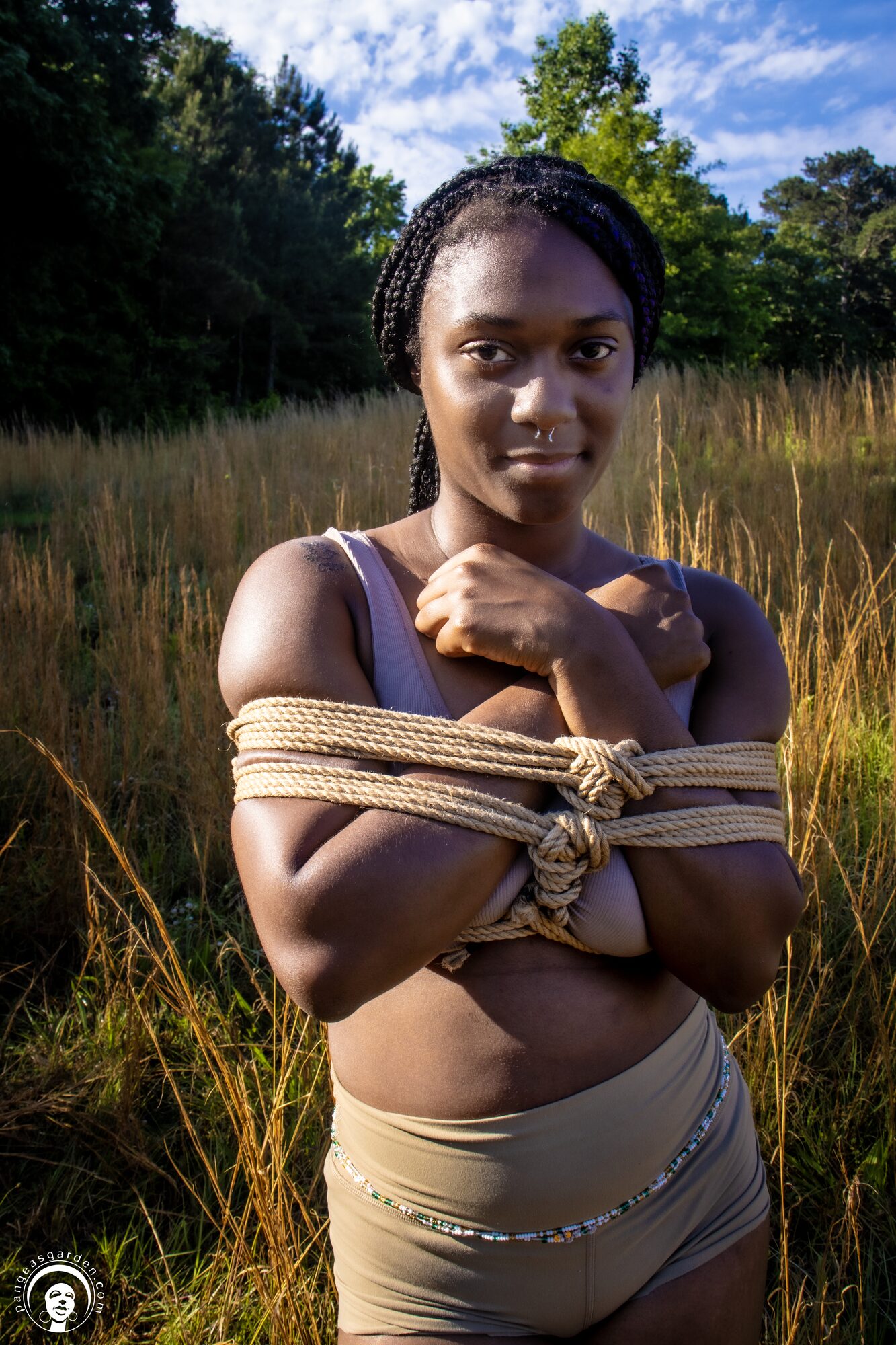
The Immediate Down
Here's the reframe to carry through the rest of this. The scene does not end when the rope comes off. The scene ends days later, when the body has finished processing what you did to it.
Even when the ropes fall away, the individual is wrecked, but whole.
The Philosophy Behind the Rope, by CraigJustCraig
Wrecked and whole at the same time. That's the AND again, and it's the most honest description of a hard scene's aftermath I know. Something got broken open. Something got put back together. Both are true, and both need tending.
Aftercare is the ritual that tends them. It's not a nicety you tack on if there's time. It's the back half of the practice. The covenant you built going in includes the covenant coming out, honoring the trust that made the scene possible. Skip it and you leave someone alone with a flooded nervous system and an open wound. Do it well and the same person walks away grounded, empowered, free.
So plan it like you plan the scene. Negotiate aftercare before you tie, not after. Decide what each person needs while you both still have language. Because in the hour after a deep scene, neither of you may have much.
Bringing the body back to earth
The first job is bringing the body back to earth. Right after the untie, the parasympathetic flood is doing its work and the body is soft, slow, and suggestible. Treat it gently and concretely.
- Warmth first. A blanket. Body heat. The temperature drop after a scene is real and it makes everything harder.
- Then water. Then sugar, something sweet, because blood sugar crashes are part of the post-scene picture and they masquerade as emotional collapse.
- Then quiet contact with someone who understands what just happened.
- Check the body the way the anatomy guide teaches. Slow circulation returning, lingering numbness, a new pain the position caused. Nerve trouble announces itself late, so the immediate down is also a safety check. If something isn't coming back, you're done resting and you're seeing a doctor.
Let the talking come when it comes. Some people need to debrief immediately. Some need an hour of silence first. You negotiated which one you are. Honor it.
Drop
Here is the part the site has never built out, and the part that wrecks the most people because nobody warned them.
Drop is the comedown. It arrives after the high, when the neurochemistry that carried you through the scene drains back out. The serotonin and oxytocin and adrenaline that flooded the system recede, and the body is left running low. It can hit hours later. It can hit days later. It can hit the top as hard as the bottom, sometimes harder.
Both ends of the rope drop. Learn both.
The bottom carried the intensity, surrendered the control, ran the full chemical arc. When it recedes, the floor falls out.
- A heavy, untethered sadness that doesn't match your day
- Fatigue that sleep doesn't touch, trouble concentrating
- Irritability or restlessness, appetite swings
- Lingering body aches from the work itself
- A creeping anxiety or a shame with no event attached
- Crying for no reason you can name, feeling hollowed out and far away
The top ran their own arc. Hypervigilance the whole scene. Total responsibility for another body and breath. When that drains out, it leaves its own crater.
- Guilt, often, and a nagging sense you did harm even when you didn't
- Replaying the scene looking for the mistake
- Self-doubt about whether you're good enough to hold what you held
- Emptiness once the focus that filled you all night is gone
- Sometimes a flatness, sometimes a sharp irritability
Bottom drop runs roughly like this. The first 24 hours hold the immediate down and the first wave. Days two and three are often the deepest, the "drop after the drop," when the post-scene glow has fully worn off and the chemistry is at its lowest. Most of it lifts inside a week. Treat it like the physical event it partly is. Food, water, warmth, rest. Gentle movement, a walk, a stretch, nothing demanding. Contact with someone who gets it. And name it out loud the moment you feel it. Naming it strips it of some of its power, because half of what makes drop frightening is not knowing that's what it is.
Top drop is real and it is underdiagnosed, because the culture tells the person holding the rope that they're the strong one and shouldn't need tending. The treatment is the same fundamentals, plus one thing. The top needs to be received, not just to give. If you only ever pour care into the bottom and never get poured into, you will run dry, and the drop will find that empty place. Build reciprocal care into the covenant. The person who held the rope gets held too.

There's a trap in the timing. The hours right after a good scene often feel euphoric, connected, golden. That glow can hide the drop that's loading underneath it, the same way reduced circulation can mask nerve damage in the body. So the rule from the anatomy guide carries straight over. When the high is highest, your guard goes up, not down. Schedule the check-in for day two and day three anyway, especially after a heavy scene, because that's when the floor tends to go, and that's exactly when the glow has told everyone it's safe to stop paying attention.

The Integration Window
Drop is the weather. Integration is the work you do while the weather passes.
The days after a scene are not dead time you wait out until you feel normal. They're the window where the experience actually lands. Something moved in that scene. A held shape, a wave of release, a memory the fascia let go of, an emotion that finally had room to surface. In the integration window, that moved thing finds its place in you, or it doesn't, depending on whether you give it the attention it's asking for.
The way shapes we hold changes the way we feel.
The Philosophy Behind the Rope, by CraigJustCraig
The shape changed how you feel. Integration is what makes the change stick instead of evaporating by Tuesday. The whole point of the practice is the return to wholeness, the parts of the self that were stuck fighting or warding off the trauma coming back online and walking in one accord. That return doesn't happen on the floor under the rope. It happens in the quiet afterward, when the nervous system gets to rehearse the new strategy it discovered.
So protect the window. For the first day or two after something intense, don't schedule a war. Lighten the load. Give the body easy food, real sleep, and time alone with itself.
Journaling the scene
Write it down within a day, while the body still remembers. Not a performance, not a report for anyone else. A record for you.
Get the facts first. What you did, how long, what your body felt at each stage. Then go inward. Where did your mind go. What came up that surprised you. What did you brace against and what did you finally let go of. Did anything from your life outside the rope show up uninvited. A scene reaches into the archive and pulls things loose, and the page is where you catch them before they sink back down.
End every entry the same way. What do I want to keep from this, and what do I want to release. That single question turns a record into integration. You're not just remembering the scene. You're deciding what it gets to mean.
Somatic practice in the days after
The body did the learning, so let the body do the integrating. This is interoception, the practice of looking inside, and it's the only conscious door to the emotional brain.
Processing Versus Crisis
Now the line that matters most, because it's the one that keeps people safe.
Drop is processing. It's the nervous system coming down off an intense experience and rebalancing. It's heavy, it's uncomfortable, and it lifts. It has an arc, it responds to care, and it gets better day by day inside about a week. That's the body doing exactly what it's supposed to do after you ask this much of it.
A crisis is different in kind. A crisis doesn't lift with food, water, warmth, and rest. It deepens. It stops responding to the things that touch ordinary drop. It reaches past the scene and threatens the whole foundation of a person. Know the difference on sight.
- Sadness that matches the size of what you did
- Fatigue, aches, a few hard days that trend upward
- Eases when you eat, sleep, move gently, and get held
- Has an arc and runs its course inside about a week
- A darkness that keeps getting worse instead of better
- Days that pass with no upward turn at all
- Inability to eat or sleep across many days
- Dissociation that won't end and you can't break
- Self-harm, or thoughts of ending your life
- A scene that cracked open old trauma and left it gaping
If you see the second list, in yourself or in someone you tied, you are past the edge of what aftercare can hold. Stop treating it as drop. Reach for a professional. A therapist, a doctor, a crisis line, emergency services if it's that acute. There is no shame in it and no failure in it. Most professionals care a great deal more about getting you well than about your sex life. Naming it and reaching out is the most sovereign thing you can do.
This is the same principle as the rest of the practice. You can do everything right and still cause harm. Aftercare reduces the risk. It does not erase it. Knowing where your care stops and a professional's begins is part of holding the rope responsibly.
Building a Check-In Protocol
Care that depends on memory and goodwill in the moment fails, because the moment is exactly when nobody has the bandwidth. So build the protocol cold, before the scene, while you both still think clearly. Then run it on a schedule. Decide these together, in negotiation.
Then actually run it. The protocol only works if the check-ins happen whether or not anyone "feels like" it's needed, because the glow lies and the drop hides. A scheduled check-in that turns out unnecessary costs you a five-minute conversation. A skipped one that was necessary costs a person days alone in the dark.
This is the covenant closing its circle. You drew it when you named the intent and you close it when you make sure everyone came home. The dynamic that holds all of this becomes a living philosophy, built on intention, mutual respect, and sacred care. The check-in is where that philosophy stops being words.

You Return Remade
Here's where the after stops being damage control and becomes the point.
Everything above is care. Necessary, non-negotiable. But surrender done fully and integrated well does more than return you to baseline. It returns you changed. The whole arc of ordeal, ecstatic surrender, and somatic release exists to bring the fragmented self back into one piece, the mind and body and spirit walking in one accord.
The flame does not burn them; it reveals them.
The Philosophy Behind the Rope, by CraigJustCraig
That's the promise and the proof. You walked into the fire on purpose. You surrendered while staying sovereign. You came down, you dropped, you sat in the integration window and listened to what the body had to say. And what's left standing on the other side isn't a smaller version of you that survived. It's the truer one the flame revealed.
Self-mastery comes from claiming your own internal state. Awareness of what you feel is the gateway to choice, to sovereignty, to authorship of yourself. Every action becomes a thing you choose. I choose this. Or I release it. The chains start to break the moment your actions are rooted in your own desire, your own growth, your own freedom.
So learn the after the way you learned the body. Learn drop the way you learned the nerves. Learn the integration window the way you learned the clocks. You learn it so you can go all the way to the edge of surrender and come back whole, again and again, each time a little more yourself.
Even when the ropes fall away, the individual is wrecked, but whole. Something got broken open and something got put back together, and the after is where both get tended. You walked into the fire on purpose, surrendered while staying sovereign, came down, dropped, and sat in the integration window. The flame did not burn you. It revealed you.
The rope teaches you to let go. The after teaches you to come home.
Come home whole.
Ashe.
Resources
This is the back half of a practice I've written about across the whole site. Start here, then keep going.
From the practice
- Rope and Anatomy: A Somatic Guide · the companion to this guide, the body under rope where this one is the body after
- Signs of Drop · the shorter field guide to recognizing drop in yourself and a partner
- The Architecture of Safety · why safety is a state of the nervous system before it's a decision of the mind
- Breathless Bonds · breath, interoception, and the inward turn that integration runs on
On drop and aftercare
- The Rope Bottom Guide by Clover · free PDF, solid sections on bottoming and recovery
- "Sub Drop / Top Drop" writing on FetLife and Kink Academy · search both, the community has written honest, lived accounts of the comedown. Read several, because everyone drops differently
- Your local rope group · ask people who've been doing this for years how they handle their own drop. Lived protocol beats theory
If it's a crisis, not drop
- 988 Suicide & Crisis Lifeline (US) · call or text 988
- Crisis Text Line · text HOME to 741741
- A therapist, especially one who is kink-aware. The NCSF Kink-Aware Professionals directory can help you find one
Want the longer version of all this? It's the spine of my book, The Philosophy Behind the Rope. The final tie is where the whole thing lands. If you'd rather learn it in the room, come to a class.